
Getting Paid Is Not Optional but Chasing Payment Has a Right and a Wrong Way
Every business in Witbank or eMalahleni has dealt with a client who does not pay on time. Most of those situations resolve with a follow-up call or a reminder email. But some do not. A client disputes the invoice. A debtor stops responding. A company that owes you money closes its doors or changes directors overnight. A long-standing customer suddenly claims the work was defective and refuses to pay anything at all.
When that happens, the way you respond in the first few weeks after payment is missed determines how much of what you are owed you ultimately recover, and how long it takes to get there. Businesses in Witbank or eMalahleni that handle non-payment informally for too long, or that threaten legal action without following through, train their debtors to wait them out. The ones that recover their money efficiently are the ones that move through the correct legal process without delay, and that understand when the matter needs to be in the hands of a debt recovery attorney rather than a bookkeeper or credit controller.
This post explains the debt recovery process in South Africa from first demand through to judgment, what each step involves, how long the process takes, and when to involve a commercial attorney in Witbank or eMalahleni to maximise your chances of recovering what you are owed.
Start With Your Own Records
Before any formal legal steps are taken, the strength of your debt recovery position depends entirely on the quality of your documentation. South African courts and attorneys work with evidence, and a debt recovery matter that is well-documented from the start moves faster, costs less, and produces better outcomes than one that has to be reconstructed from memory or partial records.
The documents that matter most in a debt recovery matter are the agreement or contract under which the work was done or the goods were supplied, the invoices issued to the debtor with dates and amounts clearly stated, any written acknowledgement of the debt by the debtor including emails, messages, or written correspondence, proof of delivery or completion of the work such as delivery notes, job cards, or completion certificates, and any payments already made by the debtor that reduce the outstanding balance.
Where a formal written contract exists, it will typically set out the payment terms, the interest rate applicable to overdue amounts, and whether the debtor is responsible for legal costs if the matter proceeds to recovery. Where no formal contract exists, the terms of the agreement may need to be reconstructed from emails, quotations, and the course of dealing between the parties. Both situations are workable, but a well-documented written agreement makes every step of the recovery process more straightforward and more cost-effective.
If your business does not currently use written agreements, service-level contracts, or formal purchase orders for the work you do in Witbank or eMalahleni, the time to address that is now, before the next client fails to pay, not after.
Prescription: The Deadline That Cancels Your Claim
Before taking any formal steps to recover a debt, you need to understand the law of prescription and how it applies to your situation. Prescription is the legal concept under the Prescription Act 68 of 1969 that sets a time limit on how long a creditor has to enforce a debt through the courts. Once a debt prescribes, it can no longer be recovered through legal proceedings, regardless of how clearly it is owed.
In South Africa, most commercial debts prescribe after three years from the date on which the debt became due and payable. This means that if you invoiced a client in Witbank or eMalahleni in September 2023 and they have not paid, and you have taken no formal legal steps to interrupt prescription, your claim may prescribe in September 2026. After that date, even if the debtor acknowledges the debt, you cannot enforce it in court.
Prescription is interrupted, meaning the three year clock resets, when the debtor acknowledges the debt in writing, when a summons is served on the debtor, or when the creditor takes other steps recognised by law as interrupting prescription. A written acknowledgement of debt, sometimes called an AOD, from the debtor is one of the most effective ways to buy time if you are approaching the prescription deadline and formal proceedings are not yet ready to be issued.
Businesses in Witbank or eMalahleni that have outstanding invoices approaching the three year mark need legal advice as a matter of urgency. Allowing a recoverable debt to prescribe because of delay or inaction is one of the most common and most avoidable reasons businesses lose money they were legitimately owed.
The Letter of Demand
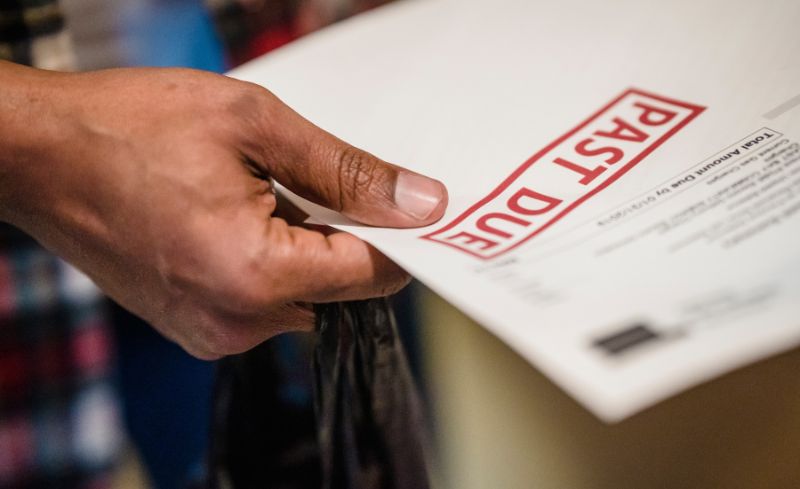
A letter of demand is the formal written notice from a creditor to a debtor that payment is required within a specified period, failing which legal proceedings will be instituted. It is typically the first formal step in the debt recovery process and it serves several important purposes.
A letter of demand puts the debtor on formal notice that the creditor is serious about recovery and is prepared to take legal action. It creates a written record that the creditor gave the debtor an opportunity to pay before proceedings were issued. It specifies the exact amount claimed, the basis for the claim, the interest applicable, and the deadline for payment. And in some circumstances, it is a legal prerequisite before proceedings can be issued. Certain contracts and statutes require a formal demand to be made before a creditor can approach the court.
A letter of demand from an attorney in Witbank or eMalahleni carries significantly more weight than one from the creditor’s own bookkeeper or business owner. Most debtors who have been ignoring internal follow-up communications respond differently when they receive a letter on a law firm’s letterhead that sets out the legal consequences of continued non-payment in clear terms. A meaningful percentage of debts are settled at the letter of demand stage without any further legal proceedings being required, which is why it is a cost-effective first step even for smaller claims.
The demand should give the debtor a reasonable period to respond, typically seven to fourteen days for commercial debts, and should clearly state that summons will be issued without further notice if payment is not received by the stated deadline. The deadline in the letter must be real. A creditor who issues letters of demand repeatedly without following through trains the debtor to ignore them. When an attorney in Witbank or eMalahleni issues a letter of demand on your behalf, the intention is to follow through if payment is not made.
Summons: Taking the Matter to Court
Where a letter of demand does not produce payment and the debtor does not engage constructively with a settlement proposal, the next step is the issue of summons. A summons is the formal court document that initiates legal proceedings against the debtor and notifies them that a claim has been lodged with the court. It is served on the debtor by the sheriff of the court and creates a formal legal obligation on the debtor to respond within a defined timeframe or face default judgment.
The choice of court depends on the amount of the claim. Claims up to R200 000 are heard in the Magistrates Court. Claims above R200 000 are heard in the High Court. The Witbank Magistrates Court handles a significant volume of debt recovery matters for local businesses, and the process in the Magistrates Court is generally faster and less expensive than High Court proceedings for straightforward collection matters.
Once summons is issued and served, the debtor has ten days in the Magistrates Court or twenty days in the High Court to deliver a notice of intention to defend. If the debtor delivers a notice of intention to defend, they have a further ten days in the Magistrates Court or twenty days in the High Court to file a plea setting out the grounds on which they dispute the claim. If no notice of intention to defend is delivered within the prescribed period, the creditor can apply for default judgment without any further hearing being required.
The issuing of summons also interrupts prescription. From the date summons is issued, the prescription clock stops running on the claim in question. This is one of the reasons why businesses with debts approaching the three year prescription period need to act quickly. Issuing summons before the prescription date preserves the claim even if the litigation itself takes time to resolve.
Default Judgment
Default judgment is one of the most efficient outcomes in a straightforward debt recovery matter. Where the debtor does not defend the claim within the prescribed period after service of summons, the creditor can apply to the court for judgment in the full amount of the claim, plus interest and legal costs, without the need for a trial or a contested hearing.
In the Witbank Magistrates Court, a default judgment application in a straightforward debt matter can be processed relatively quickly once all the procedural requirements are met. The creditor’s attorney submits the application with supporting proof of service of the summons and proof of the claim, and the court clerk or presiding officer grants judgment in the unopposed matter.
Once default judgment is granted, the creditor has a court judgment in their favour. That judgment is what enables the enforcement steps covered in the MVM Attorneys blog on judgment enforcement, including the issue of a writ of execution, the attachment of movable assets by the sheriff, garnishee orders against the debtor’s salary or bank account, and other enforcement mechanisms. The judgment itself does not automatically produce payment, but it gives the creditor the full weight of the court’s authority behind their recovery efforts and opens up enforcement tools that are not available without a judgment.
Where a debtor does defend the claim, the matter proceeds to trial or, in many straightforward commercial debt cases, to a summary judgment application where the creditor can argue that the defence raised by the debtor has no merit and that judgment should be granted without a full trial. An attorney practising commercial litigation in Witbank or eMalahleni can assess the strength of a defending debtor’s position and advise on the most efficient route to finalising the matter.

Defended Matters and Settlement
Not every debtor simply ignores a summons and allows default judgment to be taken. Some debtors defend claims, either because they have a genuine dispute about the debt or because they are using the defence process to buy time. Understanding the difference between a genuine defence and a delaying tactic helps you and your attorney decide how to approach a defended matter efficiently.
A genuine defence typically involves a dispute about whether the work was completed, whether the goods met the agreed specification, whether the contract was validly concluded, or whether the amount claimed is correctly calculated. These are factual disputes that need to be resolved on the evidence, and they require the matter to proceed to trial or to be resolved through negotiation or mediation.
A delaying tactic typically involves a bare denial of liability without substantive grounds, a technical challenge to the pleadings, or a vague reference to a counterclaim that is never properly particularised. An attorney who regularly handles commercial litigation in Witbank or eMalahleni can identify a delaying defence quickly and take procedural steps to move the matter forward efficiently rather than allowing a debtor to use the court process as a mechanism for indefinite delay.
Settlement is a realistic outcome in many defended debt recovery matters. A debtor who knows their defence is weak, or who is facing cash flow pressure from multiple creditors, may be willing to settle for a reduced amount or on agreed payment terms rather than proceed to trial. Your attorney can advise on whether a settlement offer represents good value compared to the cost and time of proceeding to trial, and can structure a settlement agreement that protects your position if the debtor defaults on the agreed payments.
The Timeline: How Long Does Debt Recovery Take in Witbank or eMalahleni?
One of the most common questions from business owners who are owed money is how long the recovery process will take. The honest answer is that it depends on whether the matter is defended, how quickly the court processes the matter, and whether the debtor ultimately pays voluntarily or requires enforcement steps.
An undefended matter where the debtor receives the letter of demand, does not pay, receives summons, does not defend, and allows default judgment to be taken can move from first demand to judgment in six to ten weeks in straightforward circumstances at the Witbank Magistrates Court. Some matters move faster. Others take longer depending on service issues and court processing times.
A defended matter that proceeds to trial can take significantly longer, from several months to over a year depending on the complexity of the dispute and the court’s roll. Matters that settle during the litigation process typically resolve faster than those that go all the way to trial.
The most important variable in the timeline is how quickly the creditor acts from the time payment is first missed. Businesses in Witbank or eMalahleni that engage a debt recovery attorney within thirty to sixty days of an invoice falling due consistently achieve faster and better outcomes than those that spend months attempting to resolve the matter internally before handing it over.
When to Involve a Debt Recovery Attorney in Witbank or eMalahleni
Many business owners delay involving an attorney because they are concerned about the cost of legal proceedings relative to the amount owed. This is a legitimate consideration, and the decision about when to involve an attorney should be based on the size of the debt, the prospects of recovery, and the cost of the legal process relative to the likely outcome.
As a general guide, any commercial debt above R10 000 that has not been resolved within sixty days of the invoice due date warrants a conversation with a debt recovery attorney. At that level, the cost of a letter of demand is modest relative to the amount at stake, and the improvement in recovery prospects from involving an attorney at the demand stage is well-documented.
Where the debtor is a company that appears to be in financial difficulty, early legal action is particularly important. A creditor who waits while a financially distressed company continues trading may find that by the time they take legal steps, the company has been liquidated and there are no assets left to attach. Acting early preserves your position relative to other creditors and gives you the best chance of recovering your money before the debtor’s financial position deteriorates further.
Where the debt involves a company and there are grounds to believe that the director has been trading recklessly or has provided a personal suretyship, your attorney can advise on whether a claim against the director personally is viable alongside or instead of a claim against the company. This connects directly to the broader question of director liability that MVM Attorneys has addressed separately on our insights page.
How MVM Attorneys Assists Businesses in Witbank or eMalahleni
MVM Attorneys handles debt recovery and commercial litigation for businesses across Witbank or eMalahleni, from the letter of demand stage through to judgment and enforcement. We act for contractors, suppliers, service providers, and SMEs operating in the construction, mining services, transport, retail, and professional services sectors who are owed money by clients and need practical legal help recovering it.
We assess each matter on its specific facts, advise on the most cost-effective route to recovery, and move quickly through the legal process to minimise the time between first demand and payment. Where a matter is defended, we handle the litigation efficiently and keep you informed at every stage. Where enforcement steps are required after judgment, we coordinate with the sheriff and take the necessary steps to collect what you are owed.
If your business is owed money by a client in Witbank or eMalahleni and your internal recovery efforts have stalled, contact MVM Attorneys for a straightforward assessment of your legal options and the fastest route to getting paid.
Contact MVM Attorneys in Witbank to start your debt recovery process today.