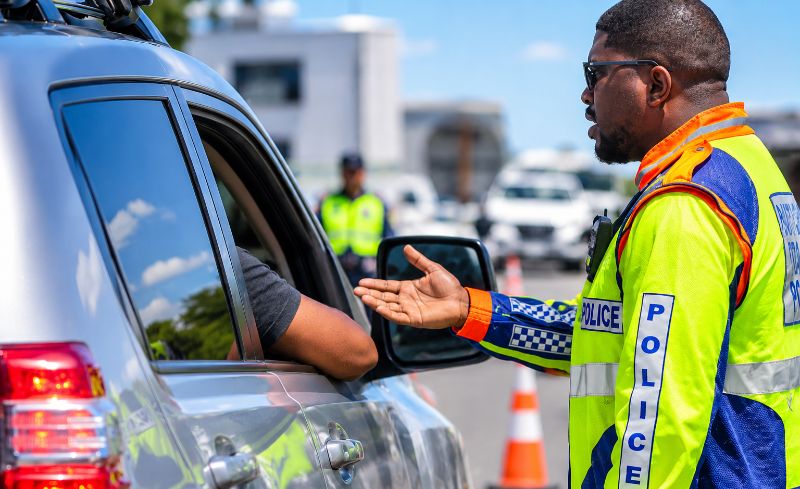
An arrest for drunk driving is stressful, and most people who face one in Witbank or eMalahleni do not know what comes next. Police take you to a station, a medical professional takes a blood sample, and you may spend a night in a cell before anyone explains the process. Family members often call in the first hours and ask the same questions. Will you get bail? When do you go to court? Will you lose your licence or your job?
This post explains what the law says, what happens at each stage after an arrest, and which rights protect you. Roadblocks and police operations on the N4 and the roads around eMalahleni increase over the festive season, so it helps to know the process before you need it. Our criminal law team at MVM Attorneys handles these matters in the Witbank Magistrate’s Court and can advise you on your own case.
What the Law Prohibits
The offence appears in section 65 of the National Road Traffic Act 93 of 1996. The Act creates three ways to commit it. You commit the offence if you drive a vehicle, or sit in the driver’s seat of a vehicle with the engine running, while under the influence of alcohol or a drug that has a narcotic effect. You also commit it if your blood alcohol concentration is 0.05 grams or more per 100 millilitres of blood, or if your breath alcohol concentration is 0.24 milligrams or more per 1 000 millilitres of breath.
Professional drivers who need a professional driving permit face lower limits. For them, the limit is 0.02 grams per 100 millilitres of blood or 0.10 milligrams per 1 000 millilitres of breath. You can face a charge even when the vehicle is not moving, because sitting in the driver’s seat with the engine running counts.
What Happens at a Roadblock or Stop
Officers can stop you at a roadblock or after they see you drive in an unsafe way. They often start with a screening test, which gives a quick indication of alcohol. A positive screening result does not decide the case. Officers then use an evidential breath test with an approved device, or they arrest you and arrange a blood sample. The State must prove that officers followed the correct procedure at each step, so the details of how the test happened matter.
The Blood Sample and the Laboratory
When police arrest you on suspicion of drunk driving, the law allows them to arrange a blood sample. Only a doctor or a registered nurse may take it, so police take you to a clinic, a hospital, or a medical practitioner. The person who takes the sample records the details, seals it, and hands it to police. Police then send it to a forensic laboratory, where a chemist analyses it and issues a certificate with the alcohol concentration.
The laboratory process takes time, and the result often arrives months after your arrest. This is why the court usually postpones the case. You can ask officers to explain what you must sign, and you can tell them you want to speak to an attorney. Refusing to cooperate with the process can create further problems, so discuss any concern with an attorney as soon as you can.
Your Rights After an Arrest
Section 35 of the Constitution protects you from the moment police arrest you. These rights apply at the station, in the cells, and in court:
- You have the right to remain silent, and police must tell you about this right and what happens if you choose to speak.
- You have the right to be told promptly why police arrested you.
- You have the right to speak to an attorney of your choice. If you cannot afford one, you can ask Legal Aid South Africa for help, and the state must provide an attorney where substantial injustice would otherwise result.
- You have the right not to be forced to make a confession or an admission that the State can use against you.
- You have the right to be held in conditions that respect your dignity.
- You have the right to appear in court within 48 hours of your arrest.
- You have the right to ask for release from detention, subject to reasonable conditions, if the interests of justice permit.
Use these rights. Do not sign a document you do not understand, and do not pay a fine or sign an admission of guilt before you know what it means, because a payment can count as a conviction.
Bail After a Drunk Driving Arrest
Police can often grant bail at the station. A senior officer may release you on bail under section 59 of the Criminal Procedure Act 51 of 1977 and set the amount and the conditions. You then receive a notice that tells you when to appear in court. Keep the notice, and ask for an official receipt for any money you pay.
If police do not grant bail, you must appear in the Witbank Magistrate’s Court within 48 hours of your arrest. When the 48 hours end on a weekend or a public holiday, you appear on the next court day. Arrests over a long weekend in the festive season can therefore mean a longer wait, so contact an attorney straight away. At the bail hearing, you or your attorney apply for bail, and the court considers the seriousness of the charge, your ties to the community, your work and address, and whether you will attend your court dates.

Your First Appearance in the Witbank Magistrate’s Court
At your first appearance, the court deals with practical steps. The magistrate confirms that you understand the charge, asks whether you have an attorney, and decides on bail or confirms the bail that police granted. In most drunk driving cases, the prosecutor asks for a postponement because the laboratory result is not ready. The court sets a new date, and you must attend every date unless the court excuses you in writing. A missed date can lead to a warrant for your arrest and the cancellation of your bail.
Arrive early, bring your identity document and your bail notice, and dress neatly. Do not decide how to plead until you understand the charge and have received advice. A plea of guilty can lead to a conviction on the same day.
Penalties for Drunk Driving in South Africa
A conviction carries a fine, imprisonment, or both, and the court decides the sentence. The National Road Traffic Act sets a maximum of six years in prison for a drunk driving offence. Courts consider your alcohol reading, whether anyone was hurt, whether you have previous convictions, and your personal circumstances, including your work and your family responsibilities.
If your driving caused injury or death, prosecutors can add charges such as culpable homicide or reckless or negligent driving, and the possible sentence rises. A person who suffered loss because of a crash can also bring a civil claim against you.

Licence Consequences
A conviction affects your driving licence. Unless the court finds special circumstances, it must suspend or disqualify your licence for a minimum period. For a first conviction the minimum is six months, and the minimum period rises for later convictions. The court also endorses your licence. Driving while disqualified is a separate offence.
Professional drivers who hold a professional driving permit face the highest risk, because a conviction can end their ability to work as drivers. Many mining and transport employers around eMalahleni run their own alcohol policies and can start a disciplinary process that runs separately from the criminal case. An insurer can also refuse a claim after a crash if alcohol played a part, so read your policy.
Does a Drunk Driving Conviction Create a Criminal Record?
Yes. A conviction creates a criminal record. The record appears on police clearance certificates and on background checks that employers, licensing bodies, and some foreign visa authorities request. Our post on criminal records and employment in Witbank explains how these checks work and what employers see.
A conviction stays on your record until it is expunged. Expungement follows a formal process with its own rules and waiting periods, and not every conviction qualifies. Speak to an attorney about your options once the case ends. A proper defence at the start of the case protects you from a record in the first place, which is the main reason to get legal advice early.
If a Family Member Has Been Arrested
When someone you know is arrested, you can take practical steps in the first hours:
- Find out which police station holds the person, and ask for the case number and the name of the investigating officer.
- Call an attorney before the person makes a statement.
- Ask whether police can grant bail at the station and what the amount and conditions are.
- Pay bail only through the official process, and ask for a receipt.
- Bring the person’s identity document and any chronic medication to the station.
- Keep your phone available, because the attorney may need documents or contact details quickly.
How an Attorney Tests the State’s Case
A drunk driving charge does not lead to an automatic conviction. The State must prove each element of the offence beyond reasonable doubt. Your attorney reviews the police docket and checks whether officers stopped and arrested you lawfully, whether the person who took the blood sample had the authority to do so, whether police sealed and handled the sample correctly from the clinic to the laboratory, whether the breath testing device was approved and used correctly, and how much time passed between the driving and the test.
If the State’s evidence has gaps, your attorney raises them in court. If the evidence is strong, your attorney advises you on the likely sentence and argues for the lowest sentence the facts allow. Either way, you receive clear advice before you make a decision.
When to Call an Attorney
Call as soon as possible after the arrest, and ideally before you sign anything or make a statement. Early contact allows the attorney to attend the bail process, request the docket, and secure evidence such as clinic records and any available camera footage. Delay makes each of these steps harder.
How MVM Attorneys Assists Clients in Witbank or eMalahleni
MVM Attorneys assists clients across Witbank or eMalahleni with criminal matters, including drunk driving charges. We explain the charge and the process, prepare and argue bail applications, appear in the Witbank Magistrate’s Court, and advise you on the sentence, licence, and record consequences of each option. We also support family members who call on behalf of someone in custody. Read more about our specialist matters practice to see how we handle criminal work.
If you or a family member faces a drunk driving charge, contact MVM Attorneys to speak with an attorney who knows the local courts and the process. This post gives general information and does not replace advice on your own case.